

opera


Technology
- Unreal Engine
- Motion Capture
Hardware
- XR headset
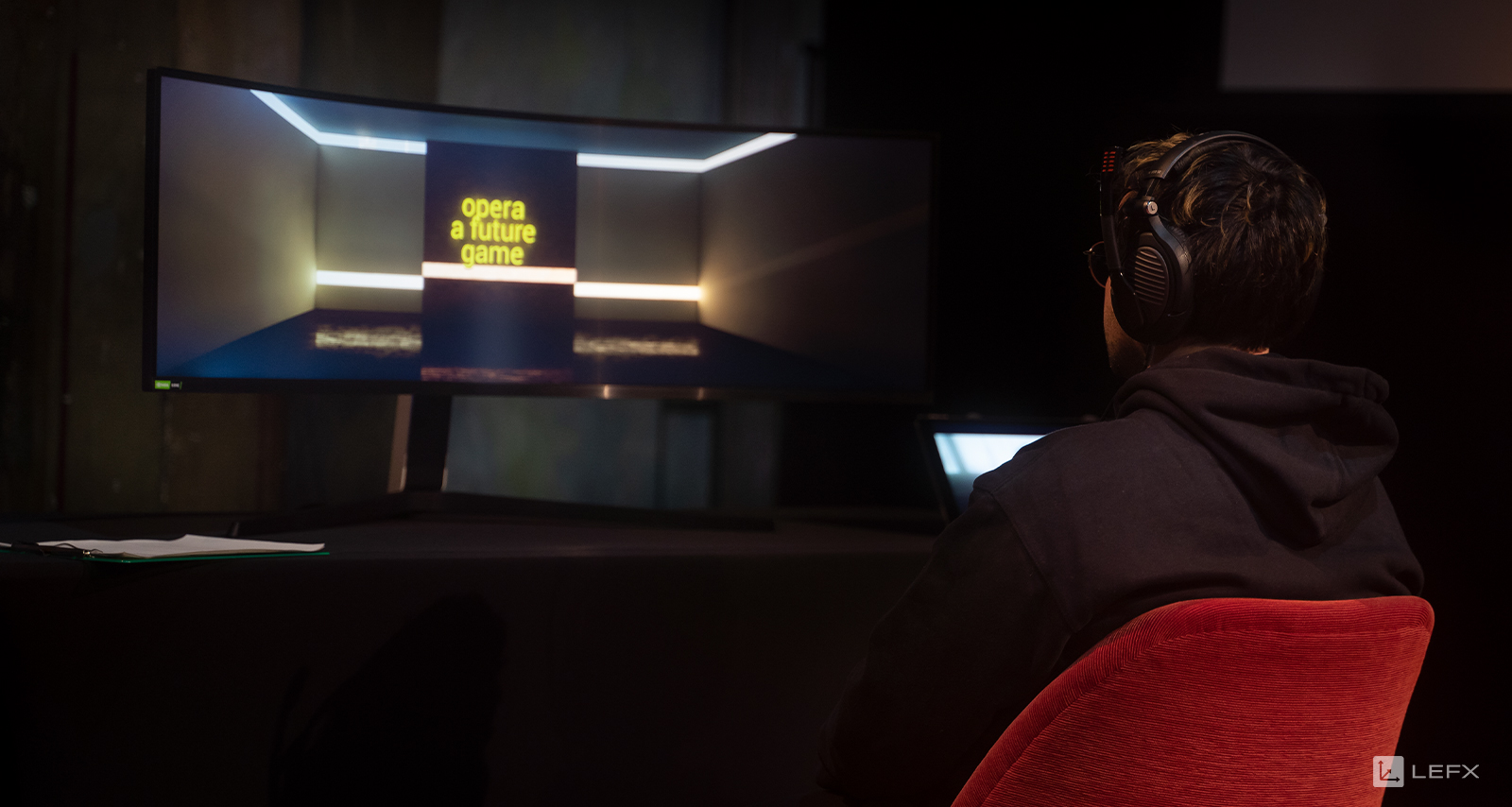
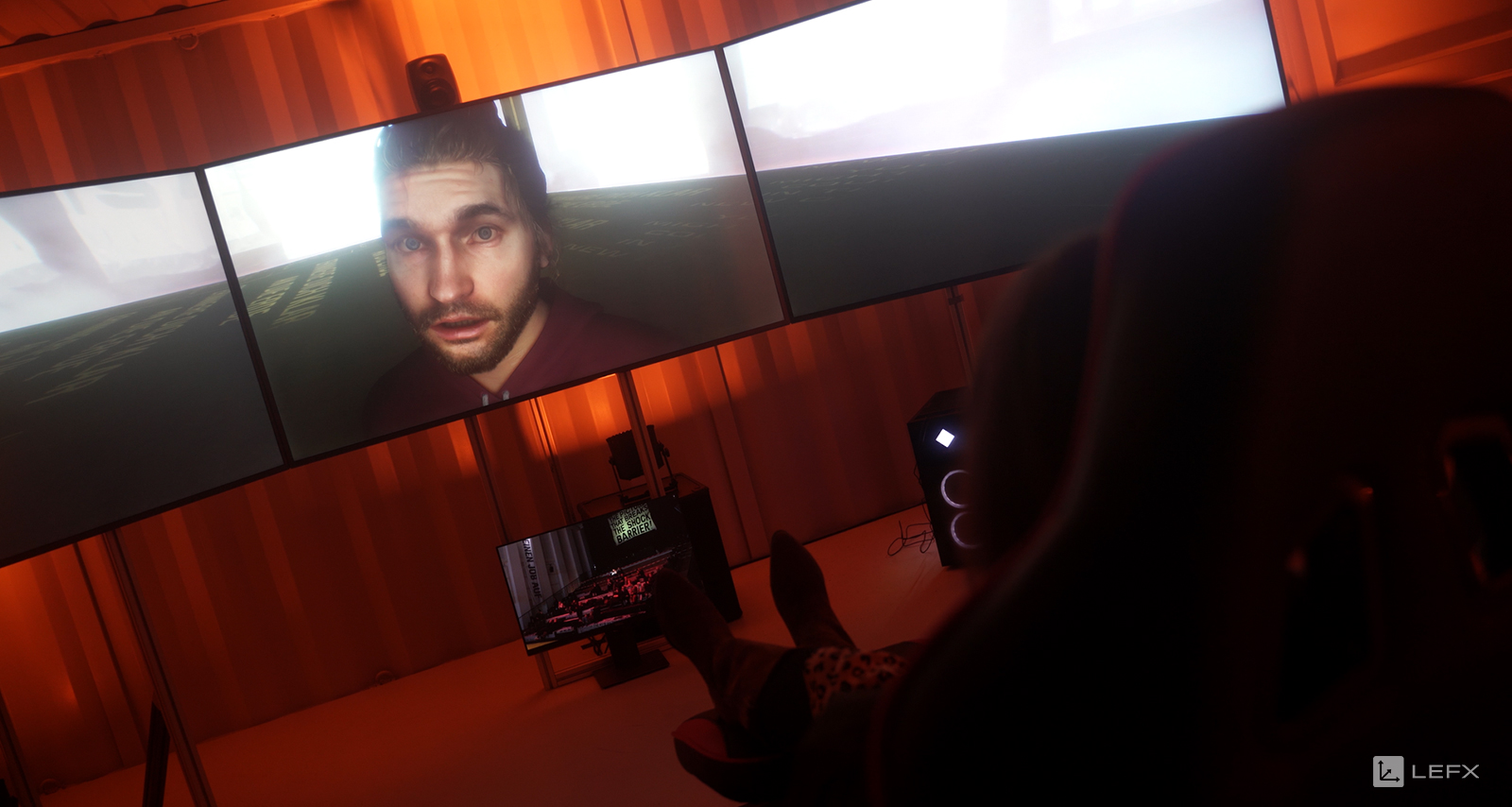
- Ultrawide screen / projection
Good to know
- varying degrees of immersion, depending on the type of performance
Opera the Game
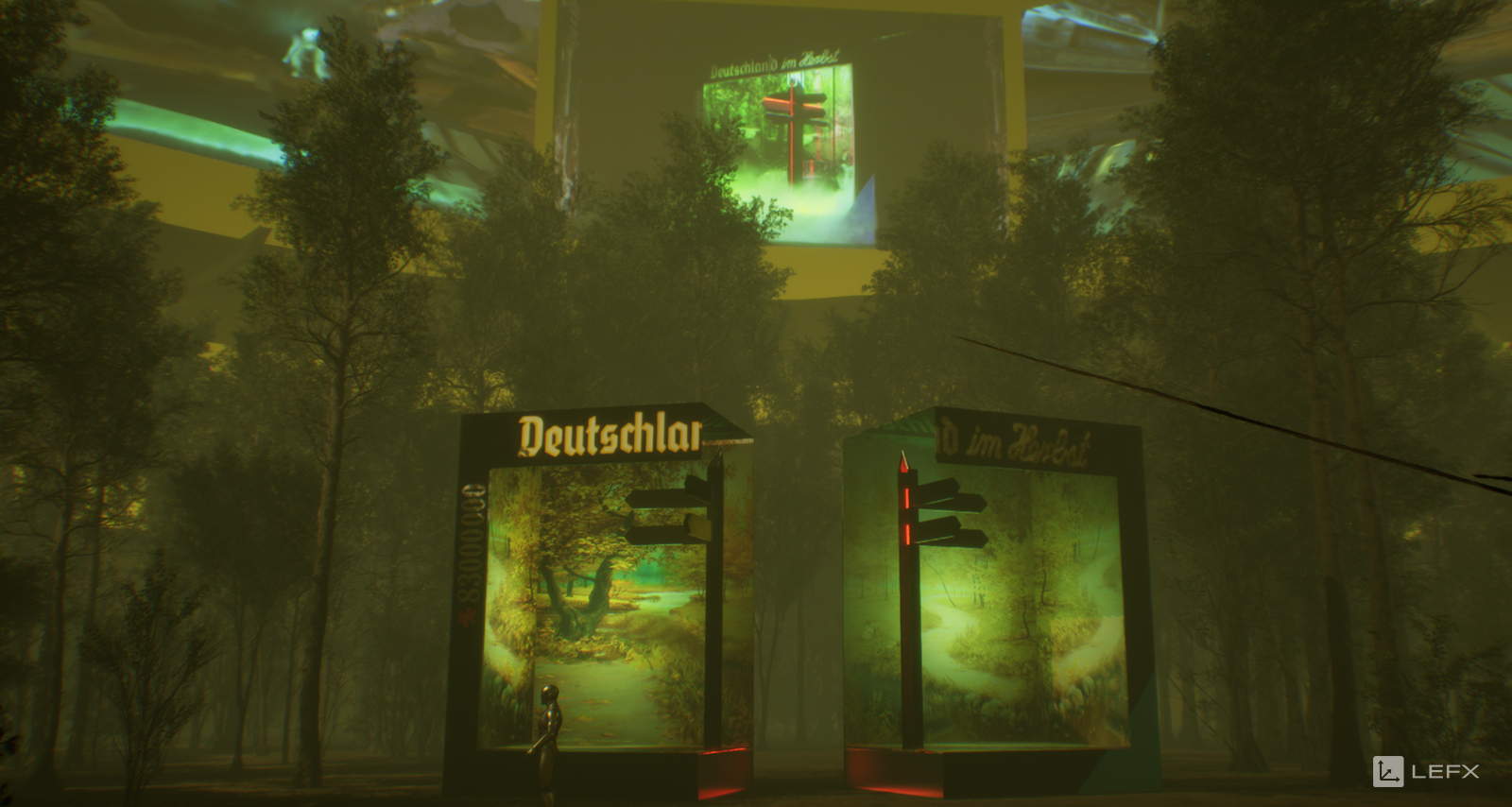
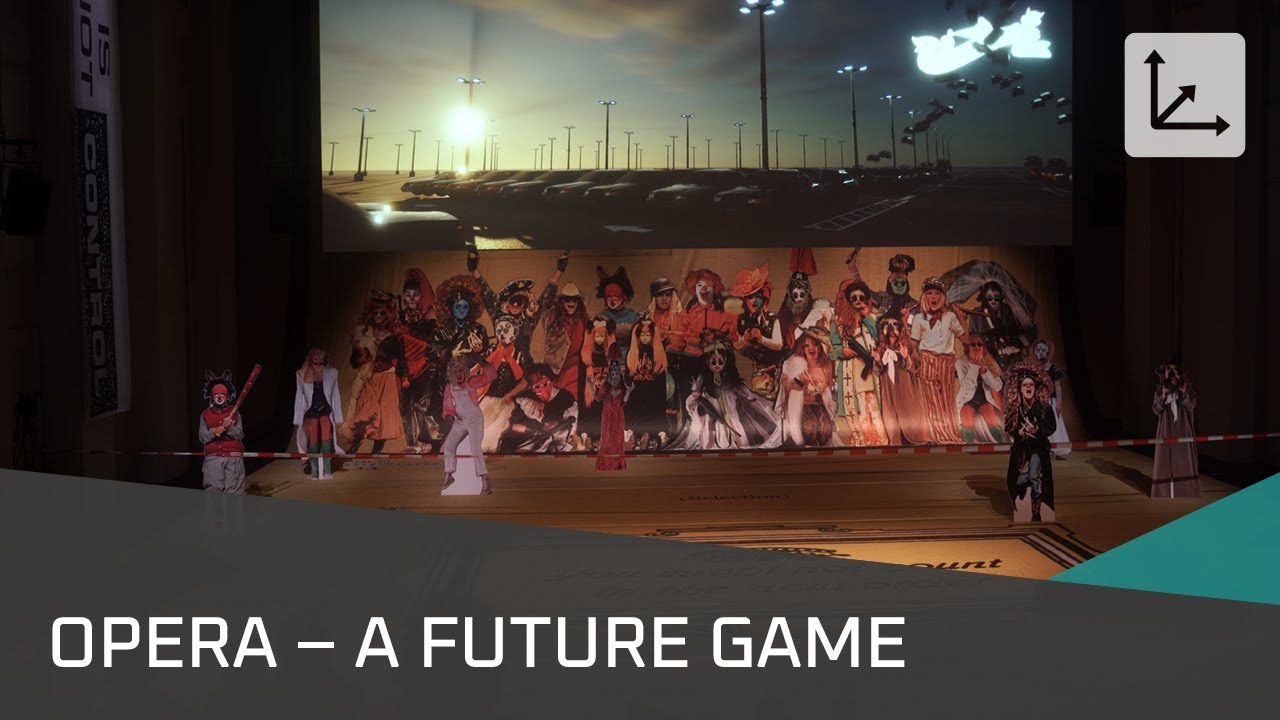
What do computer games have in common with operas? At first glance, not much really, apart from the fact that both transport their audiences into another world to tell a story. This overlap alone is enough to make digital production techniques of interest to the arts and culture. A successful example of such a crossover project is opera – a game set in the future, which uses Unreal, a 3D game engine, to bring elements of a traditional stage production to life. We’re supporting this post-(operatic) video game essay with technical expertise and practical support 💪
Prequel
The play was originally due to be staged in 2020 at the Munich Biennale and later in the Halle Opera House was due to be performed. However, due to the pandemic, only excerpts were broadcast on the radio. In order to make the production physically accessible to the audience after all, visual effects were added and it was expanded into a walk-through video installation.
This laid the foundations for a digital production, and that’s where we come in.
Operational Support
We are supporting the director, Michael v. zur Mühlen, with the technical implementation and further development of the original installation. In addition to ‘help-to-help-yourself’ workshops, this primarily involves the optimisation of 3D data, character animation and UX design. But also
Video Game Essay – What is it?
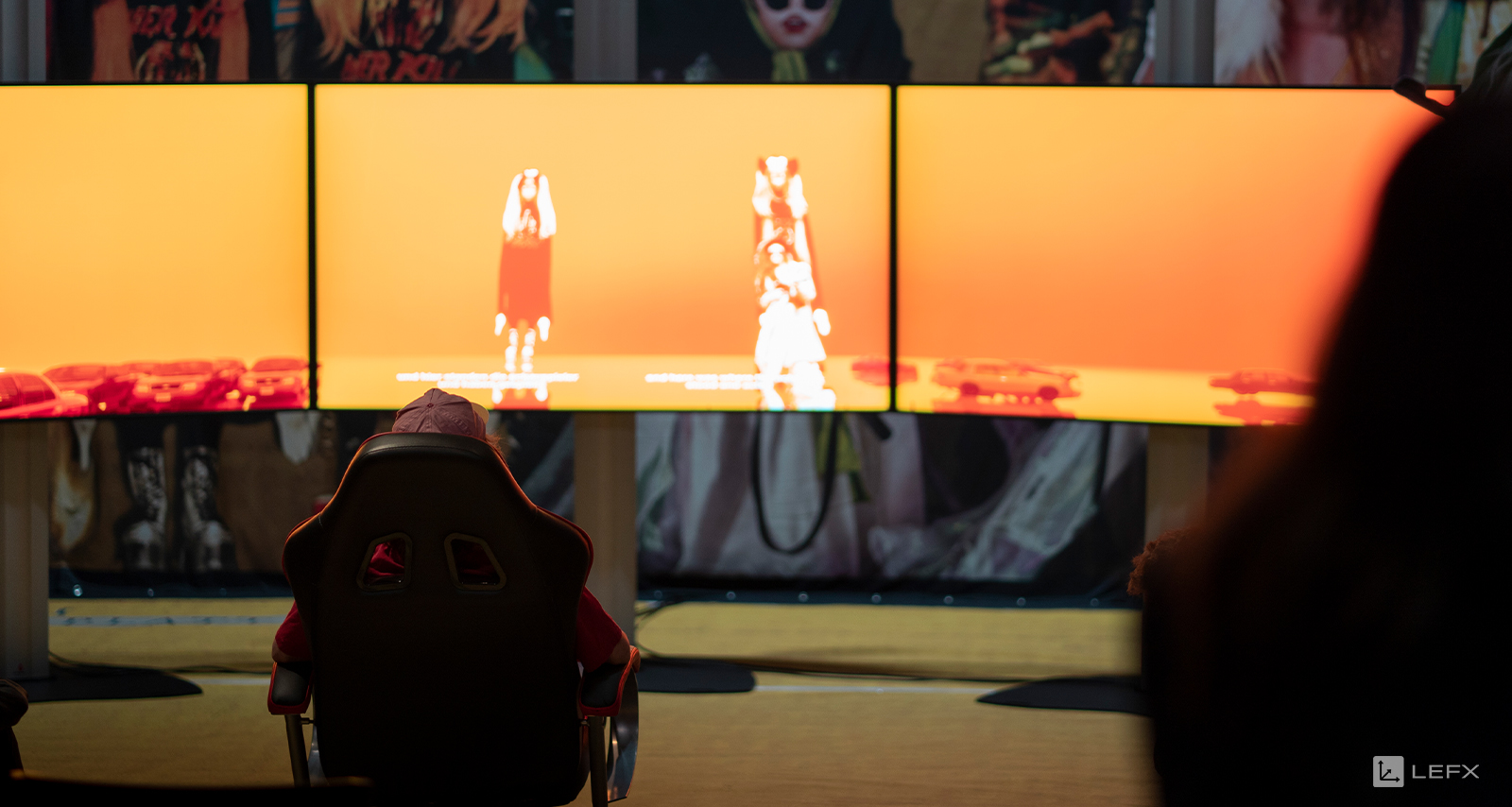
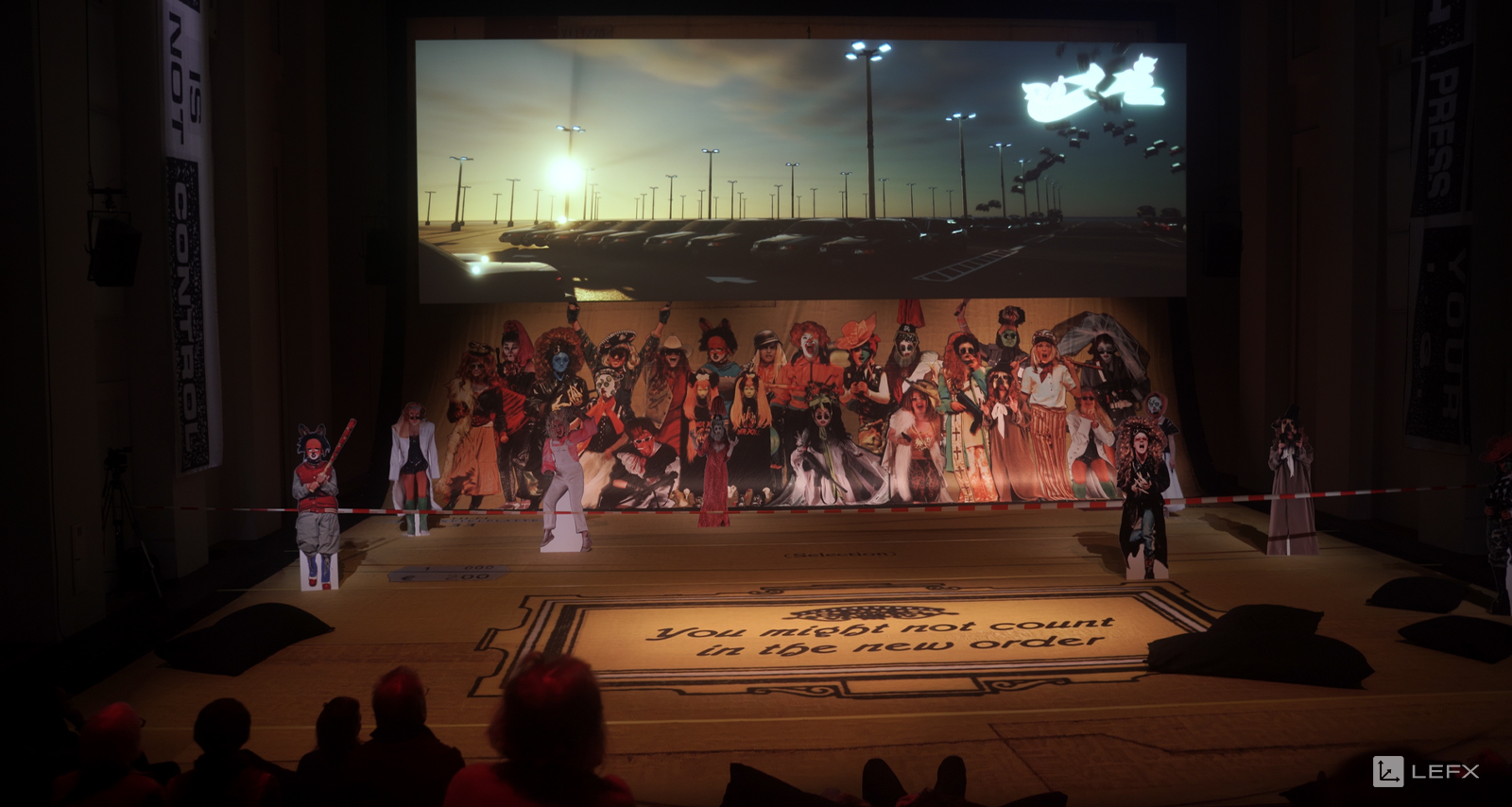
Behind this rather unwieldy term lies an open-world game in which the player can move about freely. However, the aim is not to reach a destination or beat the high score, but to explore the world, discover dialogues and let the atmosphere wash over you. In terms of content, it is an exciting blend of futuristic and post-apocalyptic doomsday atmospheres, interspersed with elements of contemporary opera.
Cyborgs and pigs raining down from the sky find their place on the theatre stage just as much as a chorus that seems to be suffering from amnesia. Sounds very experimental? It certainly is! But that is precisely what makes this form of presentation so appealing to a broad audience, which includes more than just traditional opera-goers. Fittingly, the premiere in November 2022 took place not in an opera house, but at a gaming fair Next Level Festival Essen.
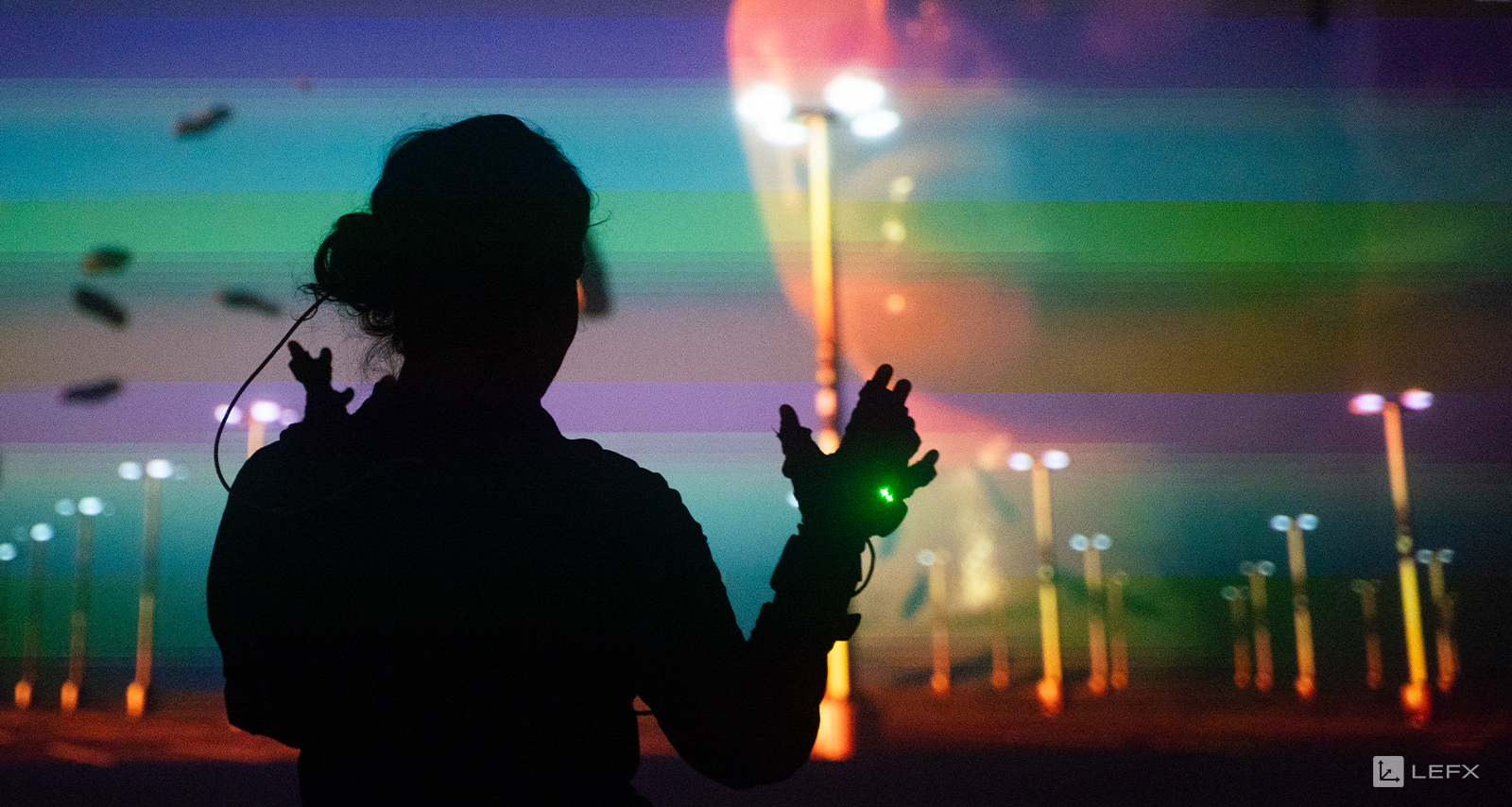
MoCap live at the Burgtheater
At the International ImPulsTanz in Vienna was opera – a game set in the future It was performed at the Burgtheater in 2023, and we were there providing technical support. Alongside all the „usual madness“ that the performance naturally entails, we took the production to a whole new level. This was because motion capture was used for the first time. This meant that the audience could not only watch the performers dancing on stage in MoCap suits, but also marvel at their digital characters in this multimedia gaming performance. Our main task was to ensure stable tracking and enable seamless real-time transmission within the Unreal Engine. In this way, we bring gaming to the big stage and maximise the production’s potential.
Press
“The audience member wanders through the virtual architecture of a dilapidated opera house, whilst the chorus has begun to revolt. Here, the blurring of boundaries that has always been inherent in the opera genre is brought to life – intellectually complex, aesthetically powerful and, in its unsettling setting, demanding answers to the question of where our world is headed between denial and catastrophe.”
— Season review 22/23: Die Deutsche Bühne, Dorte Lena Eilers
“It’s a brilliant experiment; it’s a brilliant new form of presentation. An opera about a dystopia, and you find yourself, as it were, right in the midst of that dystopia when you listen to the opera, which gives it a completely different impact. (…) I’m glad that it now exists in this form.”
— WDR tonart, Kai Löffler
“opera – a future game, staged in a multi-layered way by Michael v. zur Mühlen. The entry into this world is facilitated by a games controller; users slip into the role of a cyborg who enters an inhospitable, seemingly cold world, full of vast spaces in which artefacts from a bygone era appear in a surreal manner. A fascinating experiment.”
— DLF Corso, Achim Hahn
Trailer
By loading the video, you agree to YouTube’s privacy policy.
Find out more
Credits
Game design, direction and animation: Michael von zur Mühlen
Venue and facilities: Martin Miotk
Music: Ole Hübner
Text: Thomas Köck
Camera and editing: Stefan Bischoff
Sound design: Martin Recker and Paul Hauptmeier
Featuring video and audio recordings by Michael Taylor, Robert, Michael Zehe, the Halle Opera Choir, the Halle Opera Children’s and Youth Choir, and the Staatskapelle Halle.
MDR KLASSIK production of excerpts from the opera, September 2020 in Halle
Musical director: Michael Wendeberg
Sound engineer: Michael Leverkus A collaboration between NRW CULTURE Secretariat and the Next Level Games Festival with HELLERAU – European Centre for the Arts The work on which this is based, „opera, opera, opera! revenants&revolutions“, is a commission for a composition and libretto from the City of Munich for the Munich Biennale
Performances
24 March – 7 May 2023, Dresden HELLERAU
10–13 May 2023 A MAZE Festival Berlin (Nominated for the A MAZE Award 2023)
1–11 June 2023, ZIMMT, Leipzig
30 June–2 July 2023, Münchener Kammerspiele
17 July 2023 ImpulsTanzWien
22–24 September 2023, Hülshoff Castle, CfL Münster
28 September 2023 eCommemoration Körber Foundation, Hamburg
9–11 November 2023 PANTOPIA MUSIC, Karlsruhe State Theatre
8 March 2024, Kassel State Theatre
3–5 May 2024 Digital Spring Salzburg
Follow-up project
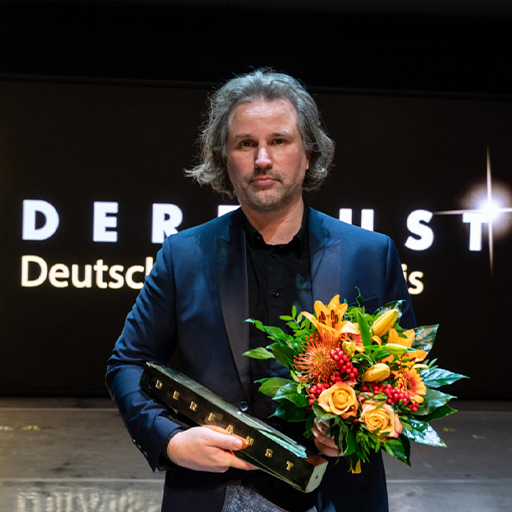
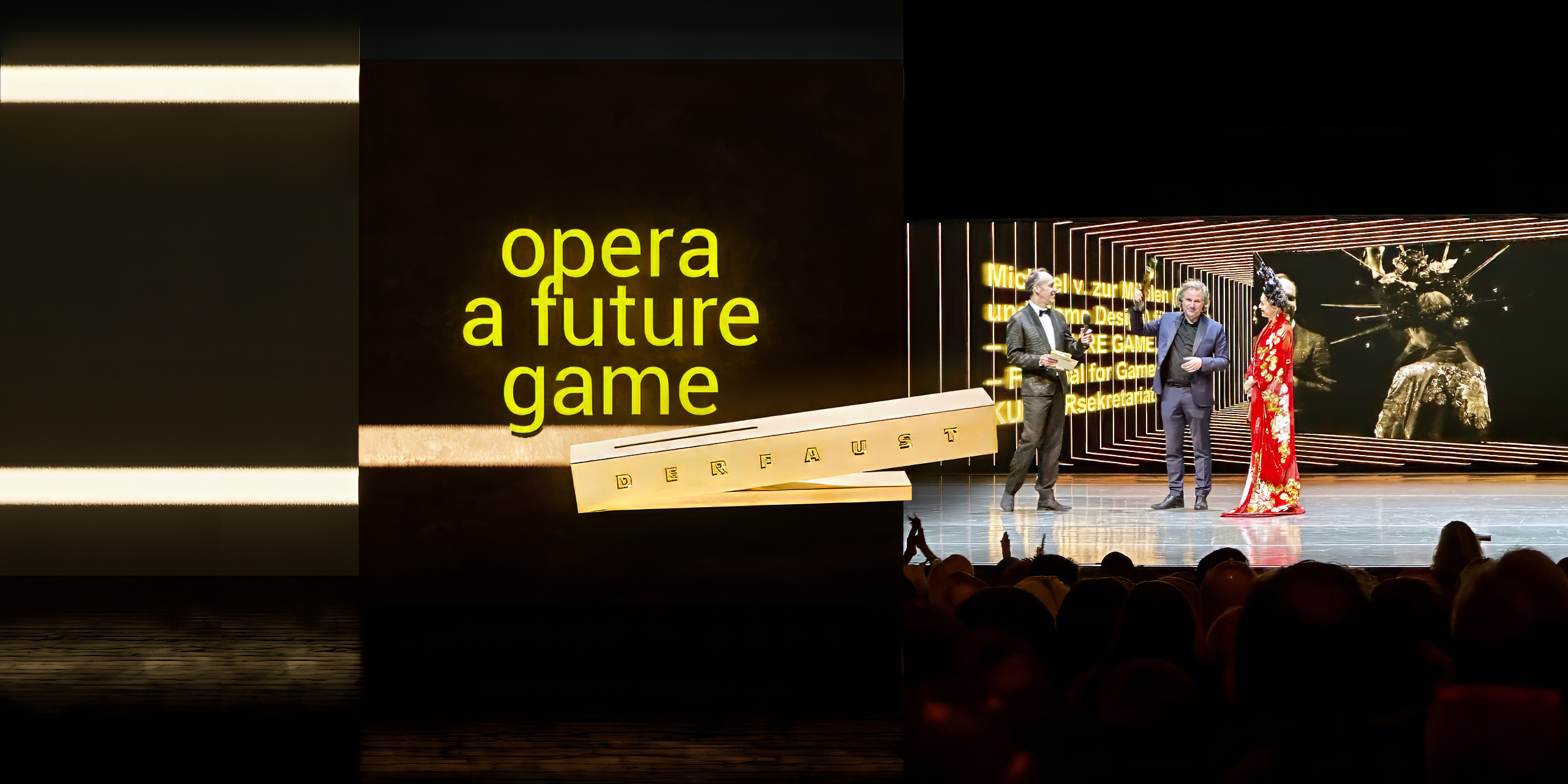
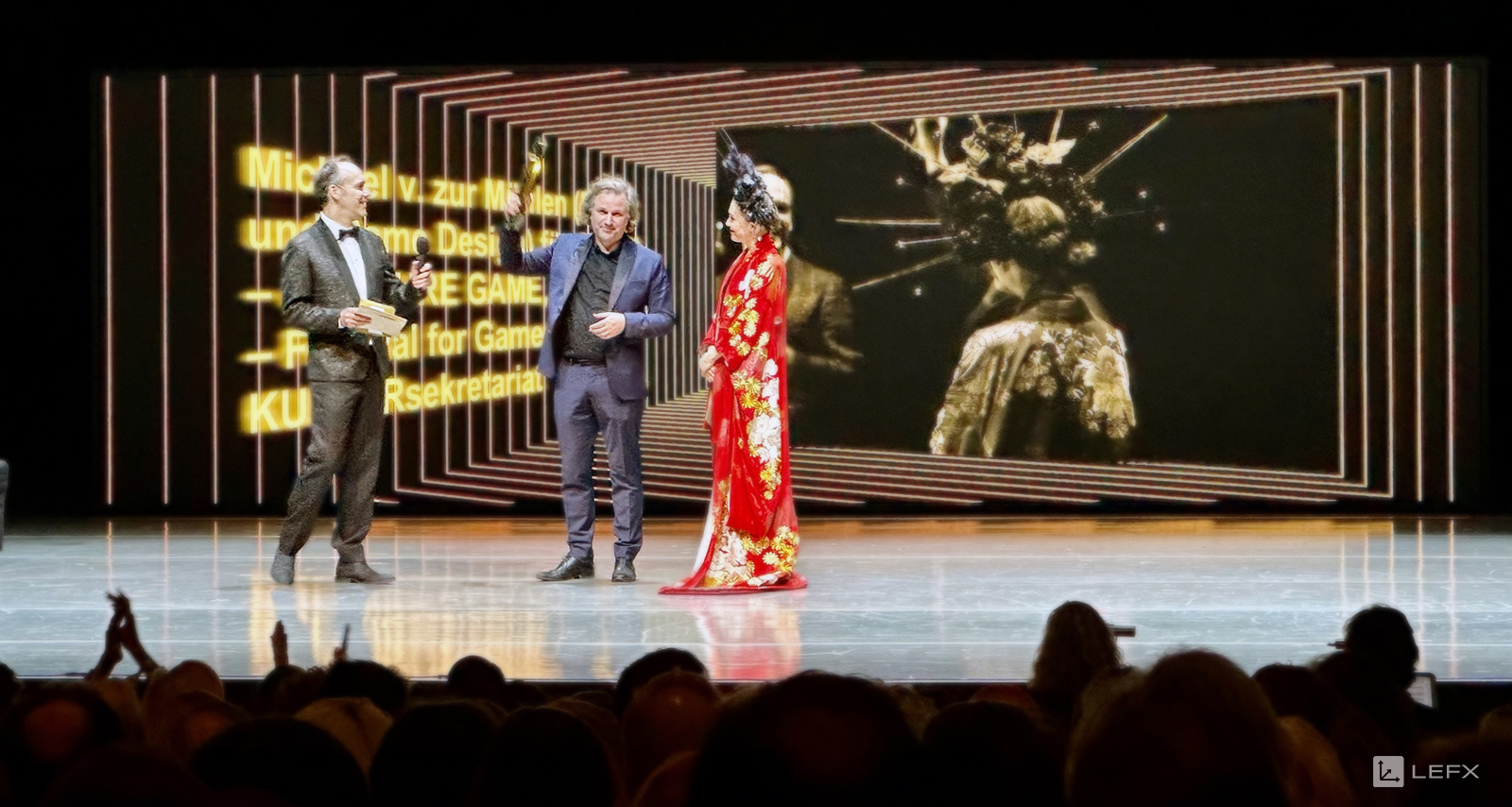
Awarded the German DER FAUST Theatre Award 2023

Do you like what you see?